




Insight: What is the difference between dementia and Alzheimer’s disease?
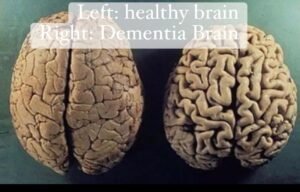
Ever wonder if dementia and Alzheimer’s are the same thing? It’s a common question, and knowing the difference can be a game-changer when understanding a loved one’s condition. Let me explain in simple terms: dementia is a broad term used to describe a decline in mental abilities severe enough to interfere with daily life. Alzheimer’s disease, on the other hand, is a specific type of dementia and the most common cause of it.
I remember a patient’s family once expressing confusion when their father was diagnosed with dementia. They thought it was Alzheimer’s. After explaining that dementia is like an umbrella covering several conditions, including Alzheimer’s, they felt more at ease understanding their father’s journey and the steps they needed to take.
Key Differences
-Dementia: refers to symptoms like memory loss, confusion, and difficulty with reasoning or problem-solving. It can be caused by various conditions, including Alzheimer’s, vascular issues, or even reversible factors like vitamin deficiencies.
-Alzheimer’s disease: is a specific, progressive condition that causes dementia. It starts with memory problems and worsens over time, affecting language, judgment, and personality.
Moving Forward Be informed that:
If you or someone you know is facing a diagnosis, take heart—early intervention and a solid care plan make a difference.
I may advice:
Stay curious, ask questions, and seek support. Dementia and Alzheimer’s may be complex, but with knowledge, you can navigate them more confidently.