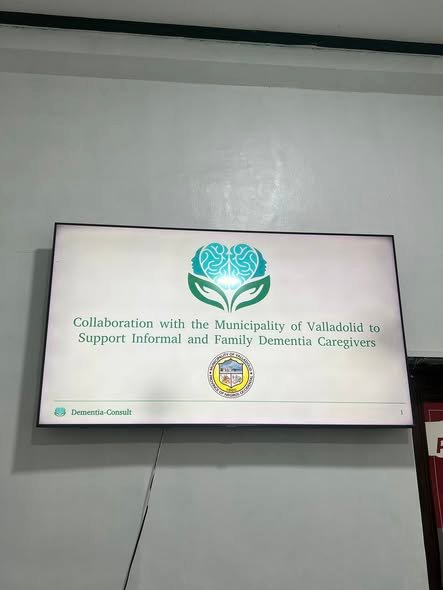
- Conference on Foundation Dementia Care Support Philippines with the Municipality of Valladolid

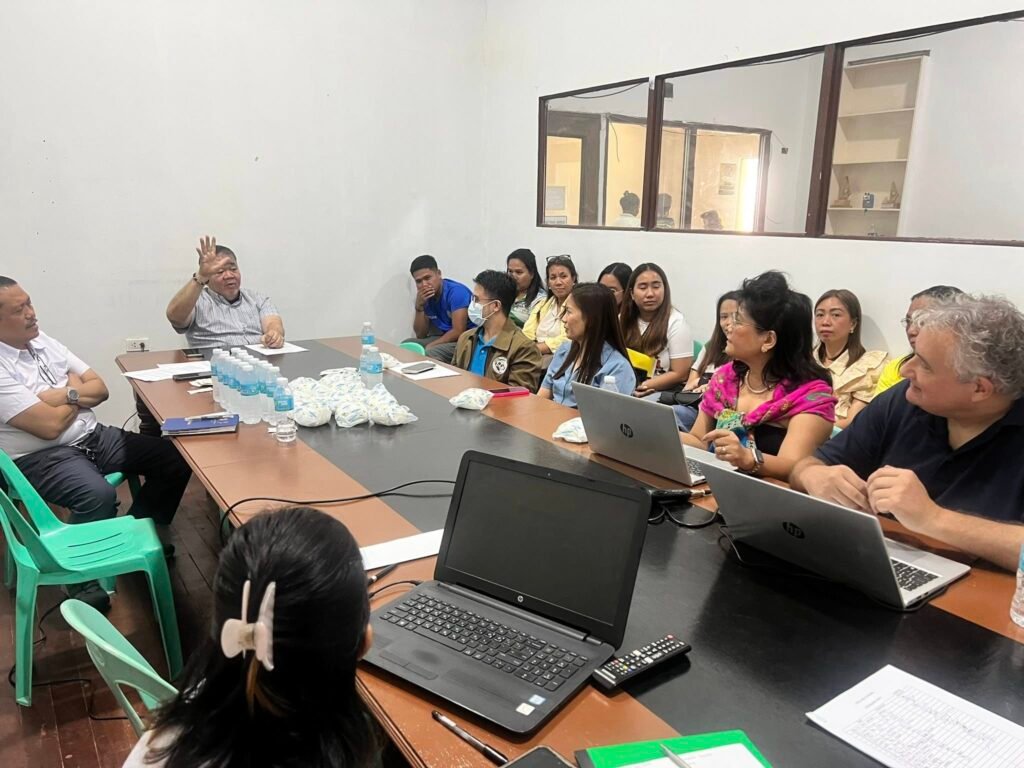
A meaningful day for our Foundation Dementia Caregiver Support Philippines as we held a conference with the Municipality of Valladolid, led by Hon. Mayor Ricardo Presbitero, Dr. Nelson George De La Fuente, and the dedicated officers of the municipal health team.
The discussion focused on our shared mission — to build a safe and compassionate community for people with dementia and to empower caregivers through proper training and awareness.
We are pleased to share that a committee for this project has been appointed, ensuring smooth coordination and active participation from both the local government and our foundation. In addition, a Memorandum of Agreement (MOA) will soon be signed to formalize this partnership and commitment.
We are deeply grateful for the warm welcome, genuine interest, and positive animo shown by all attendees. Their enthusiasm reflects the heart of a community ready to embrace care, compassion, and understanding.
Together, we look forward to creating lasting impact — one caregiver, one family, one community at a time

- Formal Meeting with Barangay Poblacion, Valladolid: Strengthening Community-Based Dementia Care
A formal meeting was held with the Barangay Captain of Poblacion, Valladolid, together with members of the Barangay Council and the Barangay Health Worker (BHW). The discussion centered on our initiative to introduce a “bottom-up” strategic approach designed to enhance informal caregiving and promote a safer, more supportive community for individuals in need of daily Dementia care.
Our team presented an overview of how this hands-on project model empowers local caregivers and families by working closely with the barangay. The approach emphasizes:
• Building grassroots partnerships with community leaders and volunteers
• Strengthening the skills and confidence of informal caregivers through training and mentorship
• Encouraging shared responsibility in ensuring the safety, dignity, and wellbeing of older adults and persons with health challenges
This collaborative meeting marks an important step toward community-centered dementia care and home caregiving support — where care begins right at home, guided by local values and strengthened by collective action.
We extend our gratitude to the Barangay Captain, Council Members, and Health Worker for their openness, commitment, and enthusiasm in exploring innovative solutions to community care. Together, we are laying the foundation for a model of compassionate caregiving that starts at the grassroots level and grows with the community.
- Closing Chapter: 3 Days with DSP – Understanding Dementia with Heart
Our 3-day convention with DSP has officially come to an end — and what an inspiring journey it has been. Each day opened our eyes to the many aspects of dementia care, from understanding the condition itself to exploring new ways to bring comfort, connection, and dignity to those we care for.
The third day was especially moving. It focused on the actual work of caregivers — their daily routines, their patience, and their incredible compassion. I was also able to interview some caregivers about their personal experiences, and their stories were truly heartwarming and deeply touching. We listened to more stories of their clients, filled with challenges, resilience, and love. One of the most memorable moments was seeing patients dancing with their caregivers, smiling and laughing together. It was a powerful reminder that even in dementia, joy and connection are still possible.
I also had the opportunity to meet and take pictures as a remembrance with some remarkable doctors I newly met during the convention — professionals who share the same passion and dedication for advancing dementia care.
This convention wasn’t just about learning; it was about feeling, sharing, and being inspired by real people doing meaningful work.
As we wrap up these three unforgettable days, I carry with me a deeper respect for every caregiver and a renewed commitment to support dementia care with empathy and purpose.
Until the next DSP event — let’s keep moving forward with compassion and heart.

Mabuhay tayo g lahat!!!
- Day 2 at the DSP Convention: Learning, Sharing, and Building Dementia Friendlier Communities
Our second day at the DSP convention was both inspiring and practical. The highlight of the morning was the workshop session, where we were guided through real-life case studies using the DICE method. This structured approach—Describe, Investigate, Create, Evaluate—allowed us to break down challenging behaviors step by step and look beyond the surface to understand root causes. It was hands-on, eye-opening, and reminded us that dementia care is as much about compassion as it is about strategy.
A key theme that emerged throughout the discussions was community-based, person-centered care. Dementia is not just a family or medical concern—it is a community matter. When neighbors, local organizations, and families come together, we create the foundation for a dementia-friendly community, where people living with dementia feel safe, respected, and included. This road toward friendliness and inclusivity is not just possible—it is necessary.
The day ended with a heartwarming surprise. DSP invited me to join to a special dinner, and what a feast it was! The evening was filled with noise, laughter, and the joy of togetherness. We shared stories, exchanged ideas, and enjoyed the rich flavors of authentic Pangasinan cuisine—from freshkare-kare to local delicacies that truly captured the taste of home. It was not just a dinner, but a celebration of culture, friendship, and the bonds we are building along this journey.
As Day 2 closed, I was reminded that while knowledge equips us, it is community and connection that sustain us. With every workshop, every shared meal, and every laugh, we are taking one step closer to building truly dementia-friendly communities.
- Day 1 at the 23rd Annual Convention of the Dementia Society of the Philippines
Theme: Memory & Meaning – Honoring Lives, Weaving Connection
The theme, “Memory & Meaning: Honoring Lives, Weaving Connection,” set the tone for the day. Every session was a reminder of how dementia care is not just about managing symptoms but also about valuing the person, their story, and their relationships.
Key Highlights
• Status of dementia care in the Philippines – Eye-opening updates on how far we’ve come and the gaps we still need to address.
• Interesting topics – From new approaches in diagnosis to innovative care models, each talk added a layer of understanding and sparked important conversations.
• Networking opportunities – I had the chance to meet doctors, specialists, DSP officers, and fellow advocates who share the same passion for improving dementia care in the country.
Of course, the convention also made sure we were well taken care of—food and beverages were served all day, making the long sessions much easier to enjoy.
Looking Ahead
What excites me most is Day 2, which will focus on workshops. I’m looking forward to more hands-on learning and deeper discussions with experts and colleagues in the field.
I’ll also be posting some of the pictures I took today with the inspiring people behind DSP— The man next to me is the President of DSP Dr. Darwin Dasig ( neurologist).
— Sitting with me beside the table telling me about steps of political approach on IMPLEMENTING COMMUNITY PROGRAM IN THE COMMUNITY She is the Treasurer and former President of DSP Dra. Venus Serra Arian ( psychiatrist) , standing at my rightside is the Vice President of DSP Dr. Neuologist & Professor Jacqueline Dumengues,
— rest at my left are also MD Specialist whose dedication continues to strengthen dementia care and advocacy in the Philippines. - Dementia Society of the Philippines Convention 2025
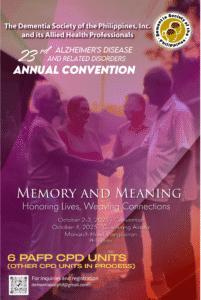
The Dementia-Consult team is attending the annual convention of the Dementia Society of the Philippines (DSP). Read the full program here (Pdf).
- Insight: How to cope with sleepless nights in dementia care?
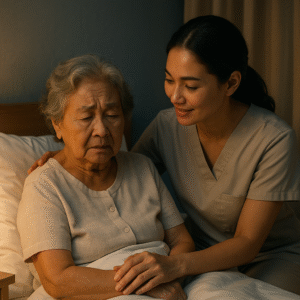
 Why Sleepless Nights Happen to people with Dementia?
• Restlessness or wandering – looking for familiar people or places
• Mixed-up body clock – can’t tell day from night
1. Create a Soothing Night Routine
Strategies to Help the Person Sleep Better• Physical discomfort – pain, bathroom needs, hunger, or side effects of medication
• Keep bedtime the same every night
• Use calming music, dim lights, or gentle massage
• Avoid loud TV, arguments, or overstimulation after sunset
2. Boost Daytime Activity
• Light exercise or short walks during the day
• Engage in simple mental activities (puzzles, folding laundry)
• Limit naps to 20–30 minutes, early in the day
3. Control the Environment
• Use nightlights to reduce confusion
• Keep the bedroom quiet, cool, and comfortable
• Remove hazards and ensure bathroom access
If They Wake Up at Night• Stay calm and gentle – avoid arguing or scolding
• Redirect – offer a soothing activity like a warm drink or listening to soft music
• Avoid screens – bright lights and TV can make wakefulness worse
• Limit conversations – speak softly, reassuringly, and briefly
for Caregivers: Protect Your Rest• Take short naps during the day if nights are disrupted
• Share responsibilities if possible (family rotation or professional help)
• Use respite care services for regular breaks
• Keep an emergency comfort kit: nightlight, favorite blanket, calming music
 When to Seek Medical Help?
• Persistent sleeplessness despite routines
• Aggressive or unsafe behavior at night
• Signs of pain, infection, or medication side effects
- Insight: How to explain Dementia to children?

Explaining dementia to children in a way that is gentle, honest and hopeful helping them see love remains even when memory fades, requires a balance of truth, comfort, and reassurance. Here’s an approach that’s gentle, honest, and hopeful, emphasizing that love stays even if memory changes:
1. Use Simple, Clear Language
Avoid medical jargon. Say things like:
• “Dementia is an illness that makes it hard for a person’s brain to remember things and think clearly.”
• “Grandma’s brain is like a library where some books are getting harder to find.”
2. Be Honest About What’s Happening
Children notice changes, so acknowledge them:
• “Grandpa might forget your name sometimes, but it’s not because he doesn’t love you. His brain is sick, and that makes remembering hard.”
• Avoid saying things like “He’s just tired” because it can confuse them later.
3. Focus on Feelings, Not Just Memory
Explain that love is stronger than memory:
• “Even if Grandma forgets your name, her heart remembers how much she loves you.”
• “Love doesn’t live in the brain, it lives in the heart—and that never gets sick.”
4. Give Them Something Positive to Do
Children feel better when they can help:
• “You can still make Grandpa happy by smiling, singing, or drawing pictures for him.”
• “He might not remember the picture tomorrow, but he’ll feel happy when you give it to him today.”
5. Normalize Their Feelings
• “It’s okay to feel sad or confused. Lots of people feel that way when someone they love has dementia.”
• Encourage questions anytime.
6. Add Hope and Security
• “Even though dementia changes some things, there’s one thing that never changes: how much we love each other.”
• Share that they can still have special moments together, like listening to music or holding hands.
- Insight: Dementia and Aphasia
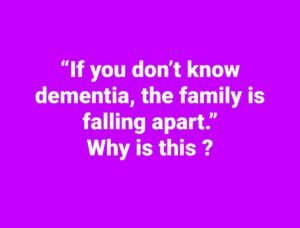
Understanding dementia helps the family respond with empathy, share responsibilities, and plan wisely. Without that knowledge, confusion and emotional stress take over, and the family may start to fall apart
Caring for someone with dementia and aphasia (a condition that affects the ability to communicate) is deeply challenging, but with the right mindset and approach, you can reduce stress and improve the quality of life for both of you.
Here’s some professional advice for caregivers supporting someone with dementia and aphasia:
🧩 1. Understand the Conditions
• Dementia affects memory, reasoning, and behavior.
• Aphasia affects the ability to speak, understand, read, or write.
• Together, they can make communication very frustrating—for both the person and the caregiver.📌 Tip: Learn the specific type of aphasia (e.g., expressive, receptive) and how it affects the person’s language abilities.
⸻
🗣️ 2. Communicate with Patience and Simplicity
• Use short, clear sentences.
• Speak slowly and calmly.
• Use gestures, facial expressions, or pictures to support your words.
• Give time for the person to respond—don’t rush or interrupt.📌 Tip: Ask yes/no questions instead of open-ended ones (e.g., “Do you want water?” instead of “What would you like to drink?”)
⸻
🧘 3. Manage Frustration—Theirs and Yours
• They may become agitated because they can’t express themselves.
• Stay calm and reassuring, even when it’s hard.
• Take breaks when you feel overwhelmed—caregiver burnout is real.📌 Tip: Use calming tones and redirect their focus if they’re stuck on a word or idea.
⸻
💬 4. Focus on Connection, Not Perfection
• Communication is more than words. Tone, touch, and presence matter.
• Celebrate small moments of connection—even a smile, eye contact, or simple gesture.📌 Tip: Use music, photos, or familiar routines to create emotional bridges.
⸻
🤝 5. Build a Support System
• Don’t try to do everything alone. Involve family, friends, or professionals.
• Join support groups for caregivers—many face similar challenges and offer valuable advice.📌 Tip: Look into speech therapy or communication tools that might help your loved one maintain abilities longer.
⸻
🧠 6. Keep Learning
• Every stage of dementia and aphasia is different.
• Keep educating yourself so you can adjust your care with confidence and compassion.📌 Tip: Follow reliable sources like dementia care websites, specialists, or attend caregiver training (like what we offer at Dementia-Consult).
⸻
💙 Final Reminder:
You are doing one of the most important and loving jobs anyone can do.
It’s not easy—but with the right tools and mindset, you can make a meaningful difference every day. - Alzheimer Awareness Week!
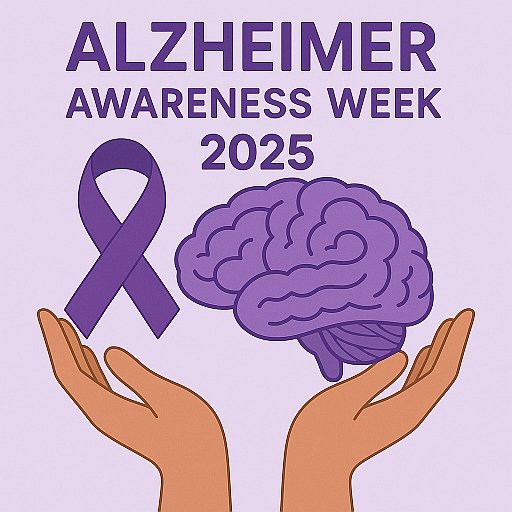
Someone once said if you take care of someone with dementia you lose them more and more everyday. When they get the diagnosis, when they go through different stages, when they need treatment and when they pass away. This is called “ambigua loss”.
I don’t wish dementia on anyone. As the brain slowly dies, they change physically and eventually forget who their loved ones are. They could end up lying in bed, not moving and not eating or drinking.
There will be people who will scroll past this post because Dementia has not touched them. They may not know what it’s like to have a loved one who has battled or is still battling dementia
To raise awareness of this cruel disease, I would like to ask you to put this on your page today.A special thank you to anyone willing to put this on their timeline for Alzheimer Awareness Week!
- Insight: Do people with dementia realize they have it?
Somebody asked me this question above.
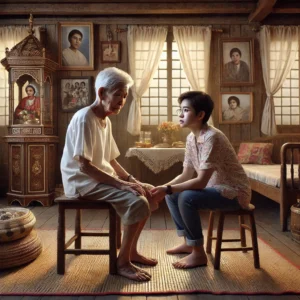
Let’s explore the complexity together.
It’s a profound and challenging question: do people with dementia ever realize they have it? The answer depends on the individual and the stage of the disease. In the early stages, many are aware of memory lapses or confusion and may even voice their concerns. But as the disease progresses, this awareness often fades, leaving them living in fragmented realities.In the Journey of my Job , once had a patient, who, in the early stages of his dementia, would joke with me, saying, “I think my brain’s playing hide and seek!” He was acutely aware of his memory issues and was deeply frustrated. Over time, as his awareness faded, he seemed more at ease, as if his mind had let go of the fight. It reminded me of the importance of patience and meeting people where they are in their journey.
How Can We Support Them?
- Empathy is Key: If your loved one knows their mind is changing, listen without judgment or dismissiveness. Acknowledge their fears, and reassure them with unconditional love.
- Redirect, Don’t Correct: If confusion arises, focus on positive reinforcement rather than pointing out mistakes. It helps maintain dignity and reduces stress.
- Learn from Leaders:
Stories like Joe Biden’s remind us that adapting, connecting with others, and embracing vulnerability are ways to cope with cognitive change—whether mild or severe.
Caregiving Tips
As caregivers, find solace in support groups and moments of clarity with your loved one. Remember, dementia does not erase the essence of a person; it only shifts how we connect. When awareness is present, like in Biden’s candid approach to his public and personal struggles, use it as an opportunity for deeper connections.
Dementia may cloud the mind, but it cannot dim the light of love and resilience. Stay present, focus on the human connection, and cherish every memory, no matter how fleeting. - Insight: How do we know if someone is suffering from Alzheimer’s or an other dementia disease?
If you aren’t the closest with the person, you might start getting angry at them because they are being stupid. They forget what happened yesterday. They complain because their phone or computer or TV remote “doesn’t work.” They get lost in familiar places. They lose things.
You will notice a CHANGE in their abilities or their emotions. It’s not just occasional trouble finding a word. That’s pretty normal. But they will start forgetting memorable events from yesterday, and feeding them details doesn’t help. They become easily confused, or more angry or more afraid.
If they were always a piece of work, their tongue may get even sharper. It’s probably due to their basic personality, augmented by fear and frustration. They deny their illness, but they realize that they can’t run their own life anymore. They hate that, just like you would hate that.
Try to have compassion for them. If that’s asking too much, try for pity.
- Insight: Understanding Dementia – Factors that contribute to its development
The exact causes of dementia are not fully understood, but a number of factors are thought to play a role, including:
Age: The risk of dementia increases significantly with age.
Genetics: Some people have a genetic predisposition to developing dementia.
Brain injury: A traumatic brain injury can increase the risk of dementia.
Stroke: Strokes can damage brain cells and lead to dementia.
Vascular disease: Diseases that affect blood flow to the brain, such as high blood pressure, diabetes, and atherosclerosis, can increase the risk of dementia.
Certain medical conditions: Conditions such as thyroid problems, vitamin deficiencies, and alcohol abuse can also increase the risk of dementia.It is not clear why some people develop dementia and others do not. However, research suggests that a combination of genetic, environmental, and lifestyle factors may be involved.
- Insight: What causes dementia? Is it curable?
 Alzheimer’s disease is the main cause of dementia worldwide.It’s followed by vascular dementia and dementia with Lewy bodies and frontotemporal dementia in that order. Also there are treatable and reversible causes of dementia like Vitamin B12 deficiency, hypothyroidism, thiamine deficiency, niacin deficiency, infections of the brain, autoimmune encephalitis, subdural hematoma etc…Nothing much can be done to prevent and treat degenerative dementias. Also only few drugs like Donepezil, Mementine and Galantamine are found to be useful in Alzheimer’s dementia. Vascular dementia can be prevented to some extent by taking anti-platelet drugs like aspirin.There are studies that show that keeping the brain active by studying new languages, reading books, working out problems, playing brain games and actively socializing delay the onset of symptoms and retard the progression of Alzheimer’s dementia.Preventing head trauma, treating diabetes and hypetension, taking a diet rich in Omega-3 fatty acids, vitamins and antioxidants and having a regular exercise schedule also are important strategies to reduce the risk of dementia.
 - Research: Knowledge and Attitude of Filipino Caregivers of Patients with Dementia
The study Knowledge and Attitude of Filipino Caregivers of Patients with Dementia examines the knowledge and attitude of caregivers of inpatients with dementia in the Philippines. Using a cross-sectional design, 18 female caregivers participated, with an average age of 49. Most had 3-10 years of caregiving experience, and their attitude scores were generally positive. Education was a significant factor in fostering a better outlook. Age, education, caregiving role, and experience were positively associated with attitude. The study highlights the need for continued education to improve dementia care. Findings suggest that targeted interventions can enhance caregivers’ effectiveness. Education is crucial in shaping positive attitudes and improving patient outcomes.
- Insight: What is the difference between dementia and Alzheimer’s disease?
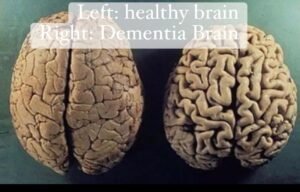
Ever wonder if dementia and Alzheimer’s are the same thing? It’s a common question, and knowing the difference can be a game-changer when understanding a loved one’s condition. Let me explain in simple terms: dementia is a broad term used to describe a decline in mental abilities severe enough to interfere with daily life. Alzheimer’s disease, on the other hand, is a specific type of dementia and the most common cause of it.
I remember a patient’s family once expressing confusion when their father was diagnosed with dementia. They thought it was Alzheimer’s. After explaining that dementia is like an umbrella covering several conditions, including Alzheimer’s, they felt more at ease understanding their father’s journey and the steps they needed to take.
Key Differences
-Dementia: refers to symptoms like memory loss, confusion, and difficulty with reasoning or problem-solving. It can be caused by various conditions, including Alzheimer’s, vascular issues, or even reversible factors like vitamin deficiencies.-Alzheimer’s disease: is a specific, progressive condition that causes dementia. It starts with memory problems and worsens over time, affecting language, judgment, and personality.
Moving Forward Be informed that:
If you or someone you know is facing a diagnosis, take heart—early intervention and a solid care plan make a difference.I may advice:
Stay curious, ask questions, and seek support. Dementia and Alzheimer’s may be complex, but with knowledge, you can navigate them more confidently. - Meeting with Congresswoman Milagros Aquino-Magsaysay of the United Senior Citizens Partylist
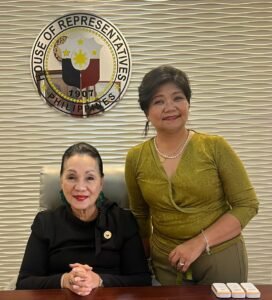
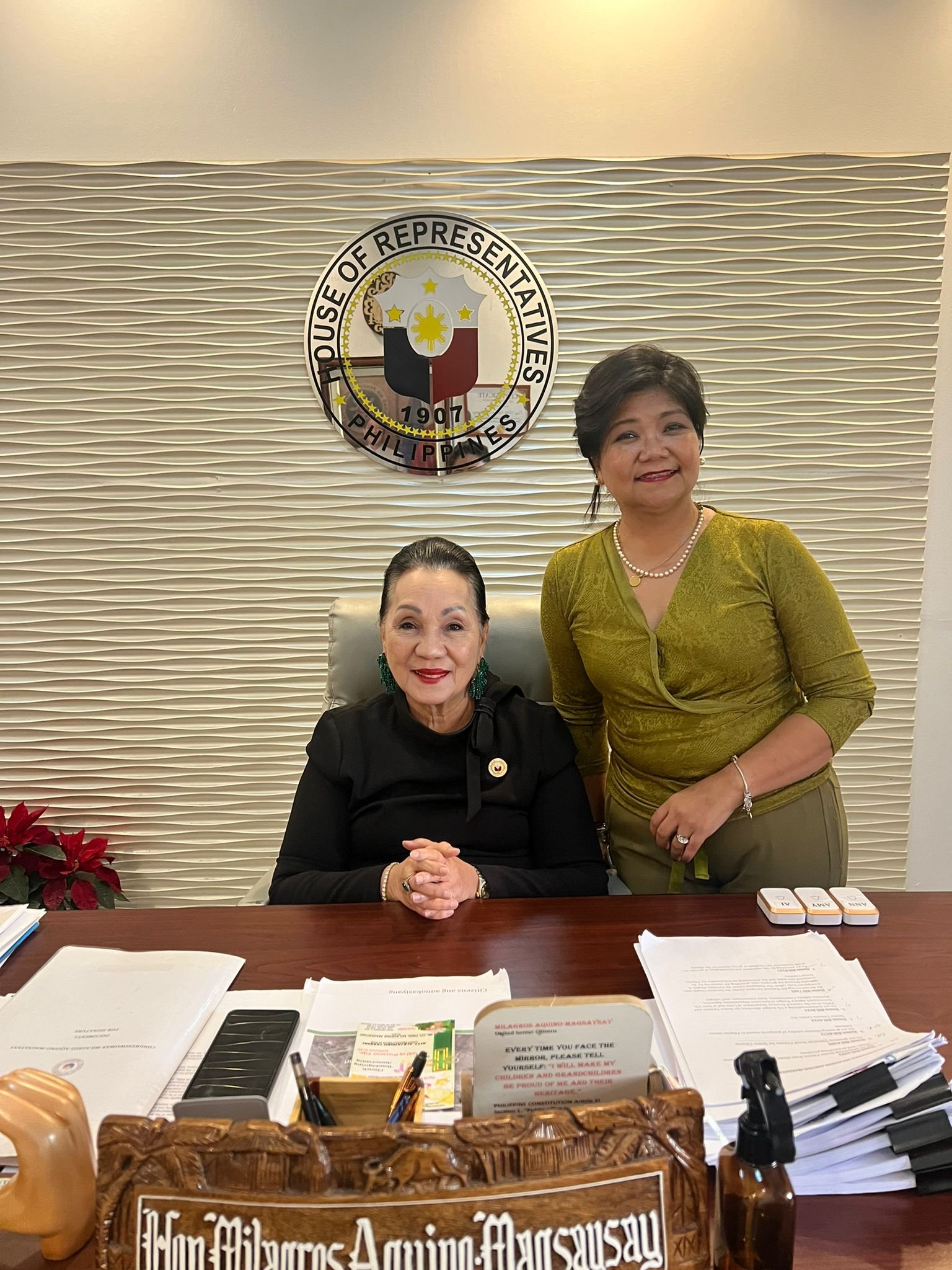
November 18, 2024 important meeting with cong. Milagros Aquino-Magsaysay. During the discussion, we reviewed her proposed bill for an Act on Phillipine Dementia Care Policy (House Bill No. 9949). Dementia-Consult is committed to contribute to the improvement of dementia care in the country, and cong. Milagros Aquino-Magsaysay has expressed her full support for this.
- Research: Current Status and Challenges in Dementia Care in the Philippines: A Scoping ReviewA new report, titled ‘The current Status and Challenges in Dementia Care in the Philippines: A Scoping Review’ has been published.
- Empowering Caregivers in the PhilippinesDementia is a growing concern in the Philippines, with an increasing number of individuals being diagnosed with this debilitating condition. As the elderly population continues to rise, it is crucial to understand the impact of dementia on both patients and their caregivers. In response to this pressing issue, Dementia-Consult has emerged as a valuable resource for Filipino caregivers, providing them with the necessary support and guidance to navigate the challenges of caring for someone with dementia.
Understanding the Impact of Dementia in the Philippines
Dementia is a neurodegenerative disorder that affects cognitive functions such as memory, thinking, and behavior. In the Philippines, an estimated 800,000 people are living with dementia, and this number is projected to double by 2030. This significant increase is mainly attributed to several factors, including the aging population, lifestyle changes, and improved healthcare access. Dementia not only takes a toll on the individuals diagnosed with the condition but also on their families and caregivers. The emotional, physical, and financial burden can be overwhelming, often leading to caregiver burnout and a decline in their own well-being.Dementia-Consult: A Resource for Filipino Caregivers
Recognizing the need for comprehensive support for caregivers, Dementia-Consult has emerged as a valuable platform in the Philippines. This organization aims to empower caregivers by providing them with the knowledge, skills, and resources needed to provide quality care for individuals with dementia. Through their website, caregivers can access a wide range of information, including educational materials, practical tips, and strategies for managing challenging behaviors associated with dementia. Additionally, Dementia-Consult offers online support groups and counseling services, providing caregivers with a sense of community and a safe space to share their experiences and concerns. Dementia-Consult also conducts workshops and training programs for caregivers, equipping them with the necessary skills to enhance their caregiving abilities. These programs cover various topics such as communication techniques, understanding dementia-related behaviors, and self-care for caregivers. By empowering caregivers with knowledge and skills, Dementia-Consult aims to improve the overall quality of care provided to individuals with dementia and enhance the well-being of their caregivers. In conclusion, dementia poses significant challenges for both individuals living with the condition and their caregivers in the Philippines. However, organizations like Dementia-Consult are playing a crucial role in empowering caregivers by providing them with the necessary support and resources. By understanding the impact of dementia and accessing the services offered by Dementia-Consult, Filipino caregivers can navigate the complex journey of caring for someone with dementia more effectively. With continued efforts to raise awareness and support, we can ensure a better quality of life for individuals with dementia and their dedicated caregivers in the Philippines. - Exploring Varied Manifestations of Dementia: A Comprehensive OverviewDementia is a complex neurological disorder that affects millions of individuals around the world. It is characterized by a decline in cognitive abilities, memory loss, and changes in behavior. Understanding the complexities of dementia is crucial for early detection, proper diagnosis, and effective management of the condition. In this comprehensive overview, we will delve into the multifaceted manifestations and stages of dementia, shedding light on the various aspects that make it such a challenging condition to navigate.
Understanding the Complexities of Dementia: An In-Depth Analysis
Dementia is not a singular disease but rather an umbrella term that encompasses a range of conditions characterized by cognitive decline. Alzheimer’s disease, vascular dementia, Lewy body dementia, and frontotemporal dementia are some of the most common types. Each type has its own distinct underlying causes and processes, making the study of dementia a complex and multidisciplinary field. To truly understand the complexities of dementia, researchers and healthcare professionals must explore various factors that contribute to the development and progression of the condition. Genetic predispositions, lifestyle choices, environmental factors, and age-related changes all play significant roles in the manifestation of dementia. By unraveling the intricate web of these factors, researchers can gain valuable insights into the underlying mechanisms of the disease and potentially develop targeted therapies.Unveiling the Multifaceted Symptoms and Stages of Dementia
Dementia manifests itself in a multitude of symptoms that vary from person to person and depend on the specific type of dementia they have. Common symptoms include memory loss, confusion, difficulty with language and communication, impaired judgment, and changes in mood and behavior. However, the severity and progression of these symptoms can differ greatly, leading to distinct stages of dementia. The stages of dementia are often categorized into mild, moderate, and severe, with each stage representing a different level of cognitive decline and functional impairment. In the early stages, individuals may experience mild memory loss and occasional confusion. As the disease progresses, memory loss becomes more severe, and individuals may struggle with daily tasks and require assistance. In the advanced stages, individuals may lose the ability to communicate, recognize loved ones, and perform even basic self-care tasks. Understanding the stages of dementia is crucial for caregivers, healthcare professionals, and families as it helps in providing appropriate care and support tailored to the specific needs of the individual. Moreover, early detection and intervention can significantly improve the quality of life for individuals with dementia and their loved ones. In conclusion, exploring the varied manifestations of dementia provides us with a comprehensive overview of the complexities associated with this neurological disorder. By understanding the underlying causes, unraveling the intricate web of symptoms, and recognizing the different stages of dementia, we can better equip ourselves to support and care for individuals affected by this condition. By fostering further research and raising awareness, we can strive towards early detection, effective management, and ultimately, a better quality of life for those living with dementia. - Dementia Consulting Services: A Valuable Resource for Caregivers in the Philippines
Being a caregiver for someone with dementia can be a challenging and overwhelming experience. As the population of older adults continues to grow in the Philippines, so does the need for specialized support and guidance for caregivers. Dementia consulting services offer a valuable resource for caregivers, providing them with the knowledge, skills, and emotional support they need to navigate the complexities of caring for someone with dementia.
Understanding Dementia
Dementia is a progressive condition that affects memory, thinking, and behavior. It can have a significant impact on a person’s ability to perform daily activities and can be emotionally and physically demanding for both the individual and their caregiver. Dementia can be caused by various underlying conditions, such as Alzheimer’s disease, vascular dementia, or Lewy body dementia.
The Role of Dementia Consulting Services
Dementia consulting services are designed to provide caregivers with the necessary tools and resources to better understand and manage the challenges associated with dementia care. These services offer personalized support and guidance tailored to the unique needs of each caregiver and their loved one.
Some of the key benefits of dementia consulting services include:
Educational Resources
Dementia consulting services offer educational resources to help caregivers gain a deeper understanding of dementia and its various stages. Caregivers can learn about the symptoms, progression, and management strategies for dementia, empowering them to make informed decisions and provide the best possible care.
Practical Strategies
Consultants can provide practical strategies and techniques to help caregivers manage challenging behaviors commonly associated with dementia. They can offer advice on communication techniques, creating a safe environment, and promoting engagement and meaningful activities for individuals with dementia.
Emotional Support
Caring for someone with dementia can be emotionally draining. Dementia consulting services offer a safe space for caregivers to express their feelings, concerns, and frustrations. Consultants can provide emotional support, helping caregivers cope with the stress and emotional challenges that come with caregiving.
Caregiver Training
Dementia consulting services often include caregiver training programs that equip caregivers with the necessary skills to provide high-quality care. These programs cover a range of topics, including personal care, medication management, and understanding legal and financial matters related to dementia care.
Finding Dementia Consulting Services in the Philippines
There are several organizations and healthcare providers in the Philippines that offer dementia consulting services. It is essential for caregivers to do their research and choose a reputable service provider that meets their specific needs.
When selecting a dementia consulting service, caregivers should consider the following:
- Experience and expertise of the consultants
- Availability of personalized consultation sessions
- Range of services offered, including educational resources and caregiver training
- Accessibility and convenience of the service location
- Cost and affordability
By seeking out dementia consulting services, caregivers in the Philippines can gain the knowledge, skills, and support they need to provide the best possible care for their loved ones with dementia. These services play a vital role in ensuring that caregivers are equipped to face the challenges of dementia caregiving with confidence and compassion.